I work at the intersection of hardware and verification, where a system either proves itself under real conditions or it doesn't.
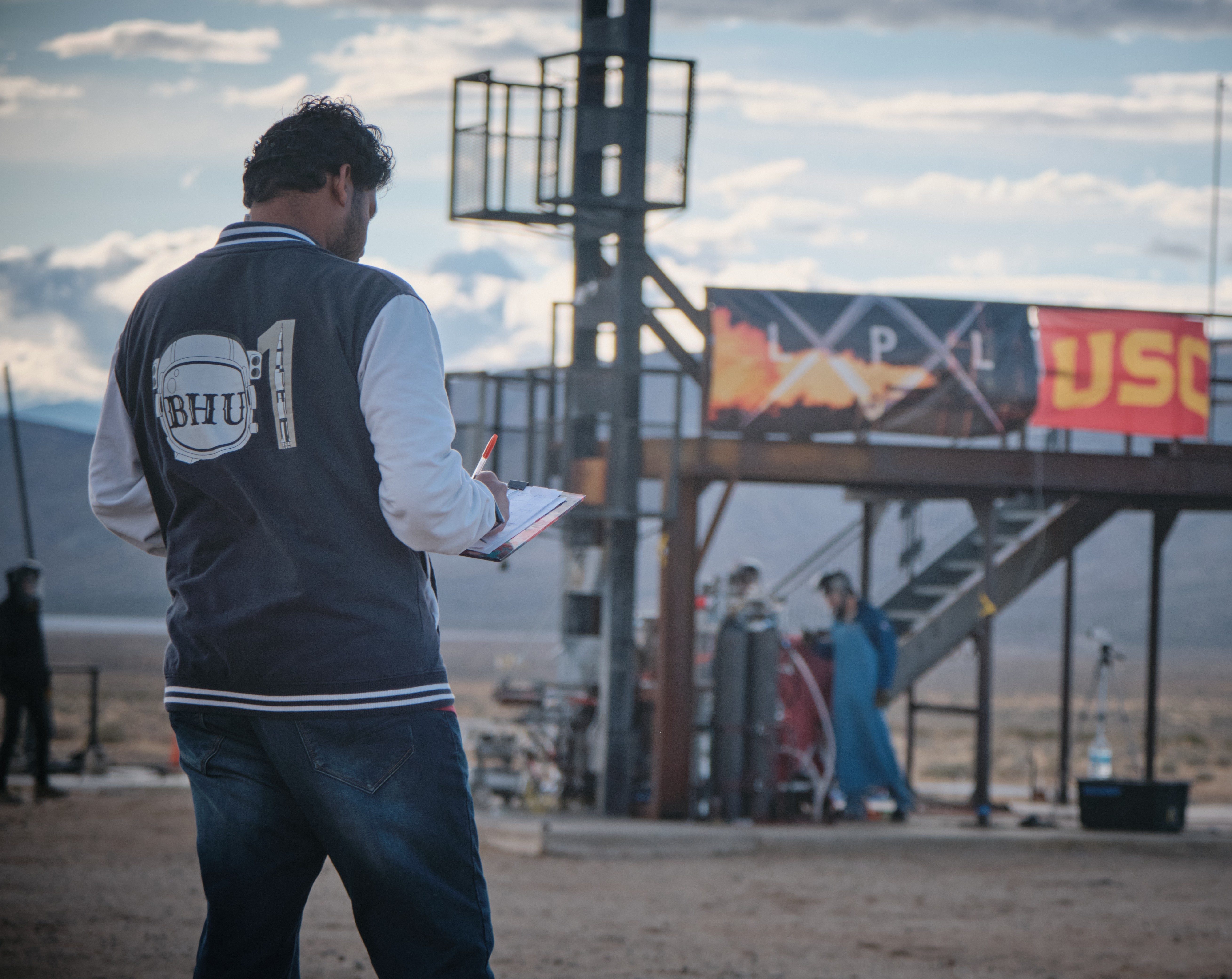
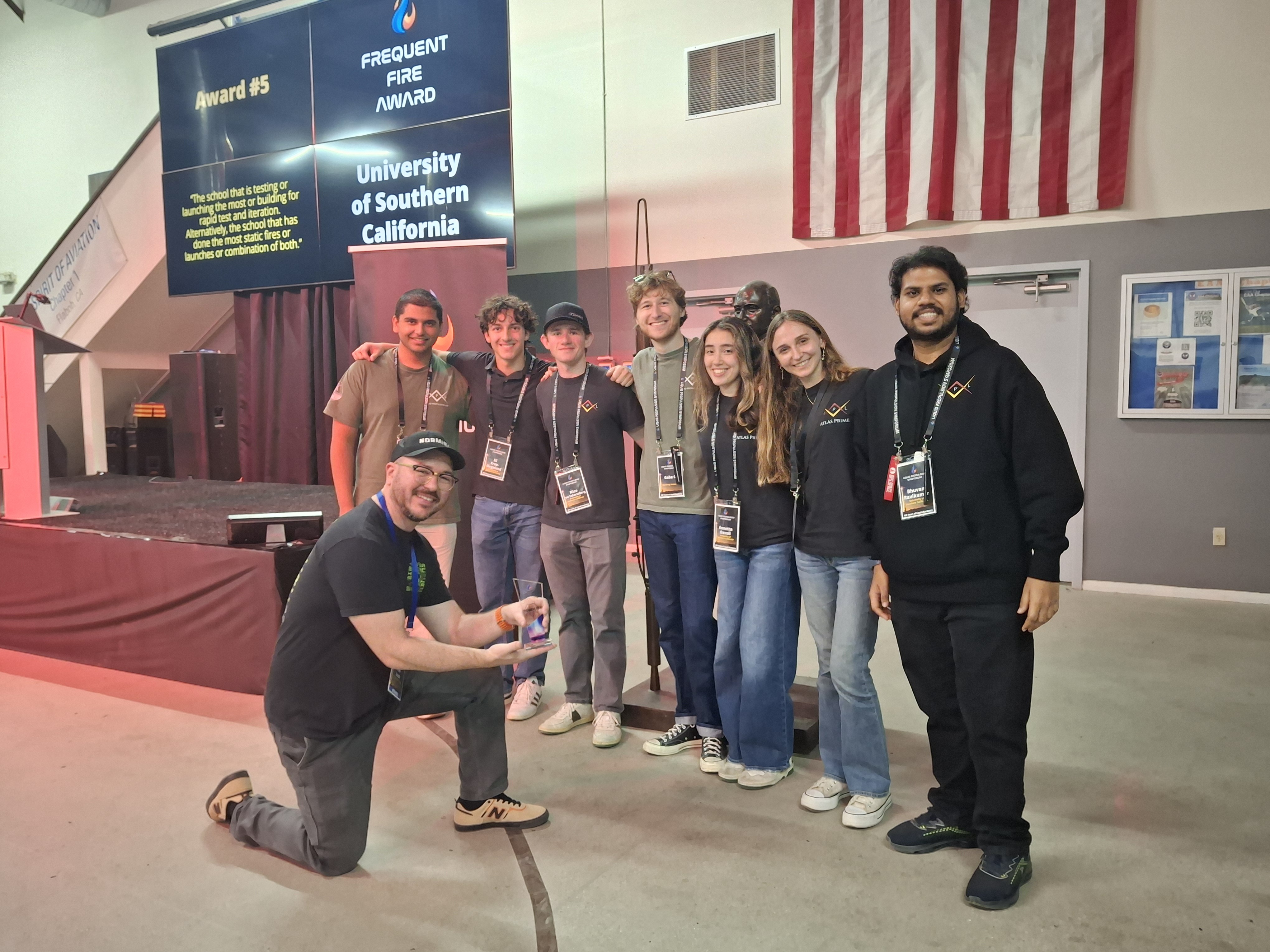
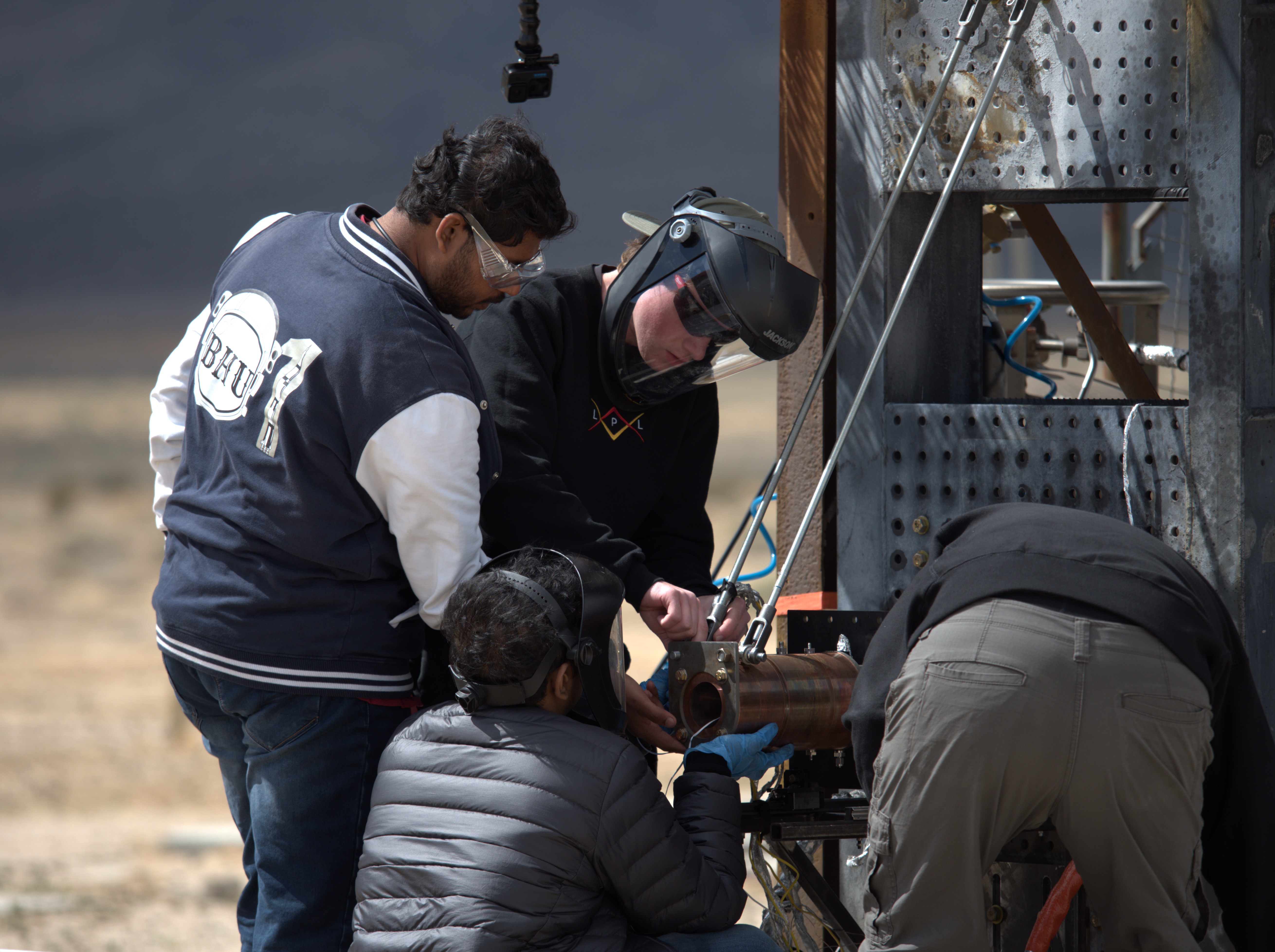
As Propulsion Engineer on Nomad at the USC Liquid Propulsion Lab, I served as Test Conductor for a 1,000 psi MEOP cryogenic Jet-A/LOx hot-fire campaign "Hodor" — owning abort criteria and real-time data monitoring through a campaign that enabled four hot-fires in a single day at RRS Mojave.
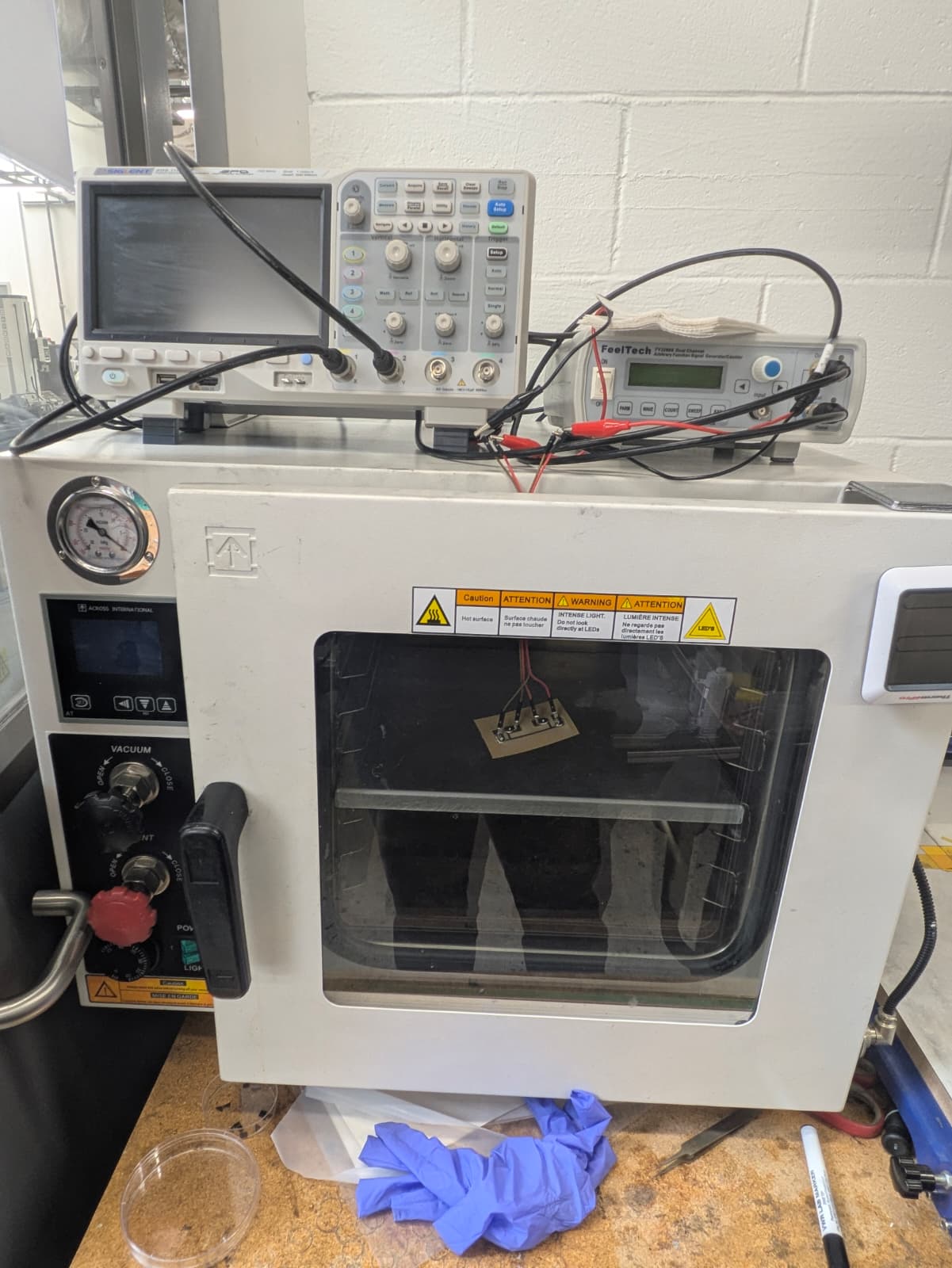
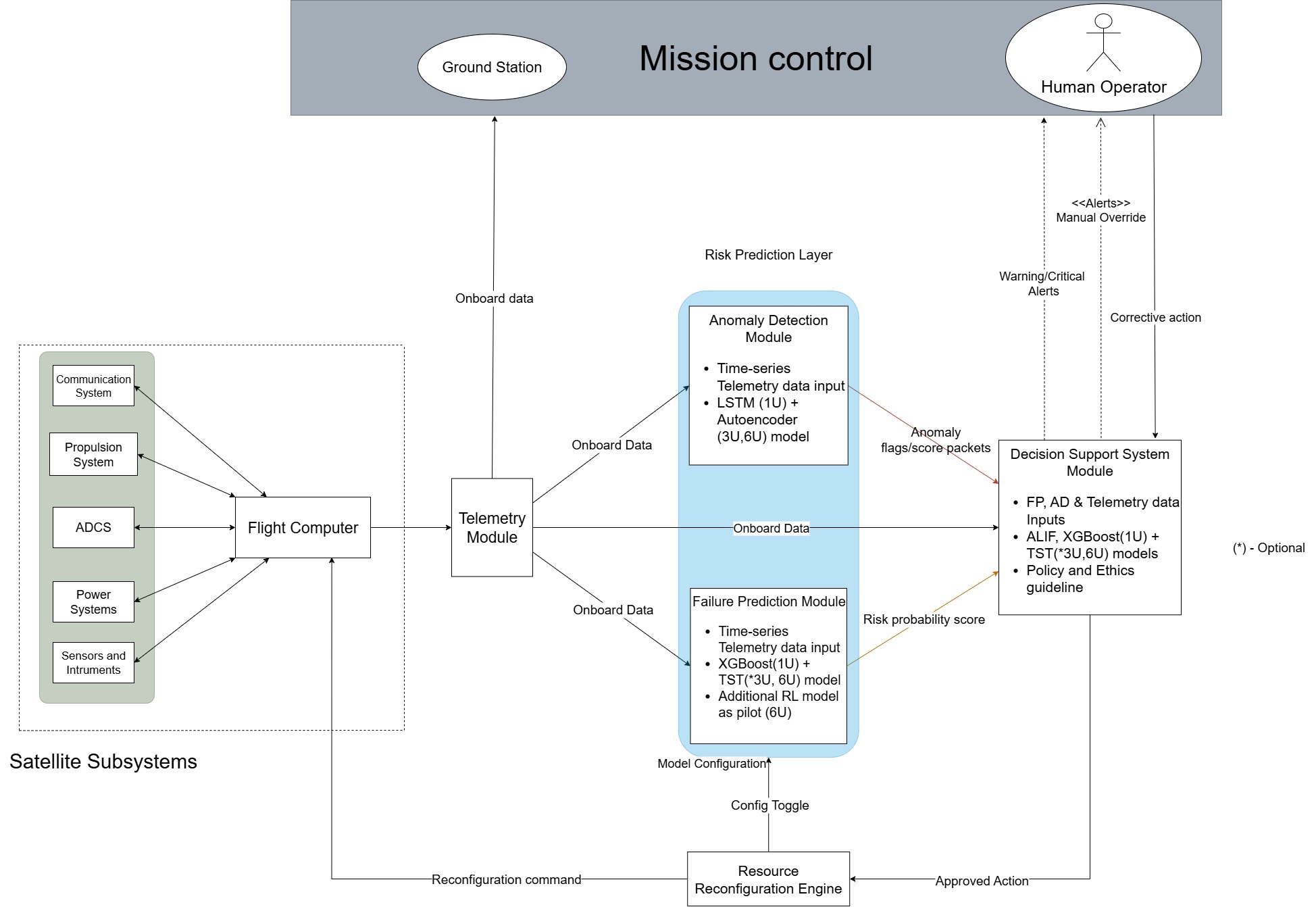
That same test discipline extends into materials, structures, and systems. At USC's Realization of Robotic Systems lab, since May 2026, I've designed and manufactured a payload box, re-engineered a tool-changer locking mechanism, and built robotic-arm testbed hardware for an on-orbit operations demo submitted to the NASA Tech Leap Challenge. At the Center for Advanced Manufacturing, I laser-scribed graphene sensors on 3D-printed PEKK and ran a predictive structural and thermal-transient model in ANSYS Workbench; that compression test was not run. On the systems side, I've led GN&C-adjacent work on a Mars Sample Return entry vehicle's flight computer and descent guidance, architected crewed Mars surface systems, and directed a four-person team building AI-driven spacecraft risk models for SpaceTech AI (STAI), co-authored for IAC Sydney 2025.
I'm looking to bring that same rigor to mechanical/hardware design, environmental test, GN&C, systems integration, or mechanisms AI&T roles on a hardware team working toward flight.
DOMAINS
- Mechanical & hardware design engineering
- Environmental test & cryogenic test operations
- Systems integration & GN&C
- Thermomechanical analysis & FEA
- Mechanisms AI&T
- In-space manufacturing & sensor systems
- AI-driven systems architecture
TOOLING
- ANSYS Workbench (Structural, Thermal-Transient)
- MATLAB & Simulink
- CATIA V5, SolidWorks, Fusion 360
- Bambu Lab FDM 3D printing & rapid prototyping
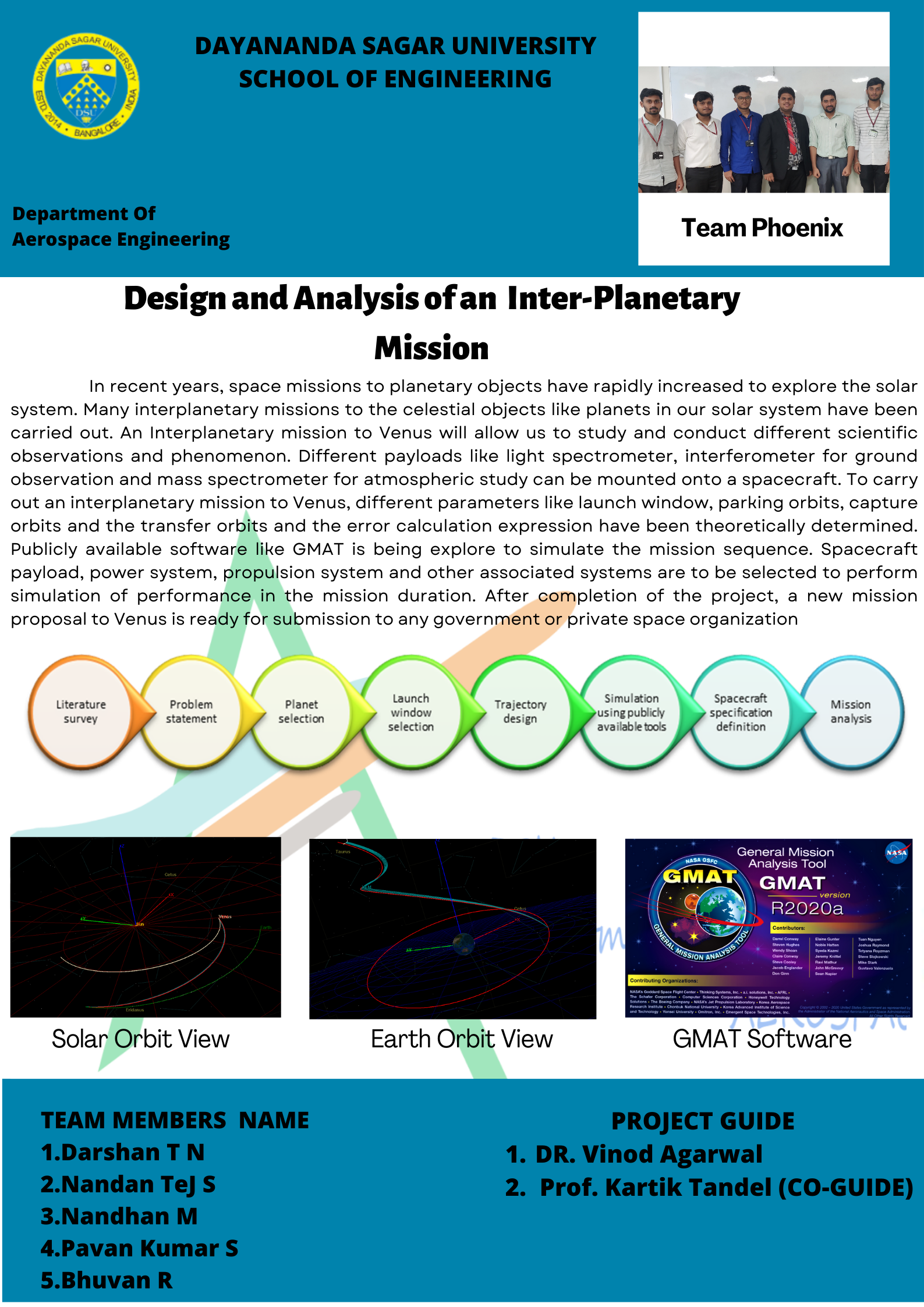
- GMAT (mission/trajectory analysis)
- 450 nm laser-scribing; custom chamber at 60 Torr
- 3-omega thermal conductivity in a separate chamber, ~250 Torr